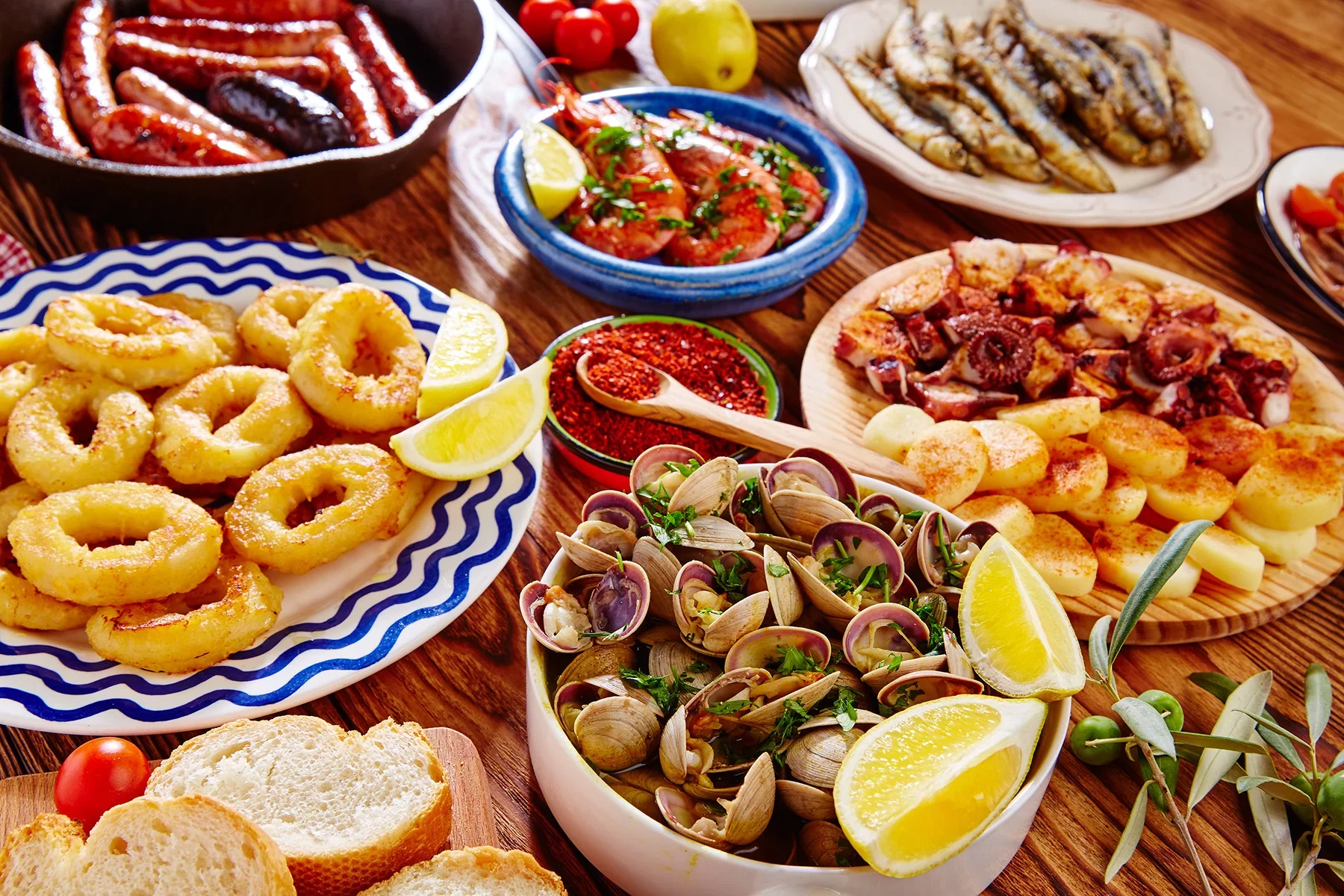
Spain is one of the world’s most exciting food destinations. From seafood paella in Valencia to rich bean stews in Asturias and famous tapas bars in Andalusia, traditional Spanish food reflects centuries of history, regional identity, and Mediterranean
lifestyle.
Most travelers know Spain for paella and sangria, but authentic Spanish cuisine is far more diverse. Every region has its own ingredients, recipes, and food traditions shaped by geography, climate, and local culture.
If you are planning a trip to Spain in 2026, understanding Spanish food culture will completely transform your travel experience. Food is not just about eating in Spain — it is a social ritual, a cultural identity, and one of the best ways to connect with locals.
In this complete guide, you will discover:
- The most famous traditional Spanish dishes
- Regional food specialties
- Hidden foods tourists miss
- Spanish meal customs
- Best cities for food lovers
- Tapas culture explained
- Insider travel and dining tips
By the end of this guide, you will know exactly what to eat in Spain and where to find the most authentic experiences.
What Makes Traditional Spanish Food Unique?
Traditional Spanish cuisine is based on simplicity and quality ingredients. Unlike heavily spiced cuisines, Spanish cooking focuses on natural flavor, fresh produce, olive oil, seafood, cured meats, and slow cooking techniques.
Spanish cuisine also changes dramatically between regions.
For example:
- Northern Spain is known for seafood, stews, and hearty mountain dishes
- Southern Spain specializes in olive oil, fried fish, and cold soups
- Eastern Spain is famous for rice dishes and paella
- Central Spain focuses on roasted meats and traditional stews
The Mediterranean diet strongly influences Spanish cuisine, making many dishes both flavorful and healthy.
Core Ingredients in Spanish Cuisine
The foundation of traditional Spanish food includes:
- Olive oil
- Garlic
- Tomatoes
- Saffron
- Seafood
- Iberian ham
- Rice
- Potatoes
- Seasonal vegetables
- Beans and legumes
Spain also has one of the strongest local food cultures in Europe. Regional products are deeply protected and celebrated.
The History of Traditional Spanish Food
Spanish food has evolved over thousands of years through different civilizations and cultural influences.
Roman Influence
The Romans introduced:
- Olive oil production
- Wine cultivation
- Bread traditions
These ingredients still define Spanish cuisine today.
Moorish Influence
The Moors transformed Spanish cooking forever by introducing:
- Rice
- Citrus fruits
- Almonds
- Saffron
- Advanced farming techniques
Without Moorish influence, dishes like paella would never exist.
Mediterranean and Atlantic Influence
Spain’s long coastline created a rich seafood culture. Coastal regions rely heavily on:
- Fresh fish
- Shellfish
- Octopus
- Anchovies
- Sardines
Meanwhile, inland mountain regions developed hearty stews and meat dishes designed for colder climates.
Modern Spanish Gastronomy
Spain later became a global culinary leader through famous chefs and Michelin-starred innovation. Yet traditional home cooking still remains at the heart of Spanish life.
Traditional Spanish Meal Culture
Before trying Spanish dishes, it helps to understand how locals eat.
Meal times in Spain are very different from many other countries.
Breakfast (Desayuno)
Spanish breakfasts are usually light.
Typical breakfasts include:
- Toast with tomato and olive oil
- Coffee
- Churros
- Pastries
- Tortilla sandwich
Breakfast is often quick and simple.
Lunch (Comida)
Lunch is the largest meal of the day.
A traditional lunch may include:
- Starter
- Main course
- Bread
- Dessert or coffee
Lunch usually happens between 2 PM and 4 PM.
Dinner (Cena)
Dinner starts late in Spain.
Most locals eat dinner:
- Around 9 PM to 11 PM
- More socially
- Lighter than lunch
Tapas Culture
Tapas are one of Spain’s most famous food traditions.
These are small plates shared socially with drinks. They are central to Spanish nightlife and local culture.
Popular tapas include:
- Patatas bravas
- Croquetas
- Gambas al ajillo
- Pimientos de padrón
- Anchovies
- Tortilla slices
In cities like Granada, tapas are still served free with drinks.
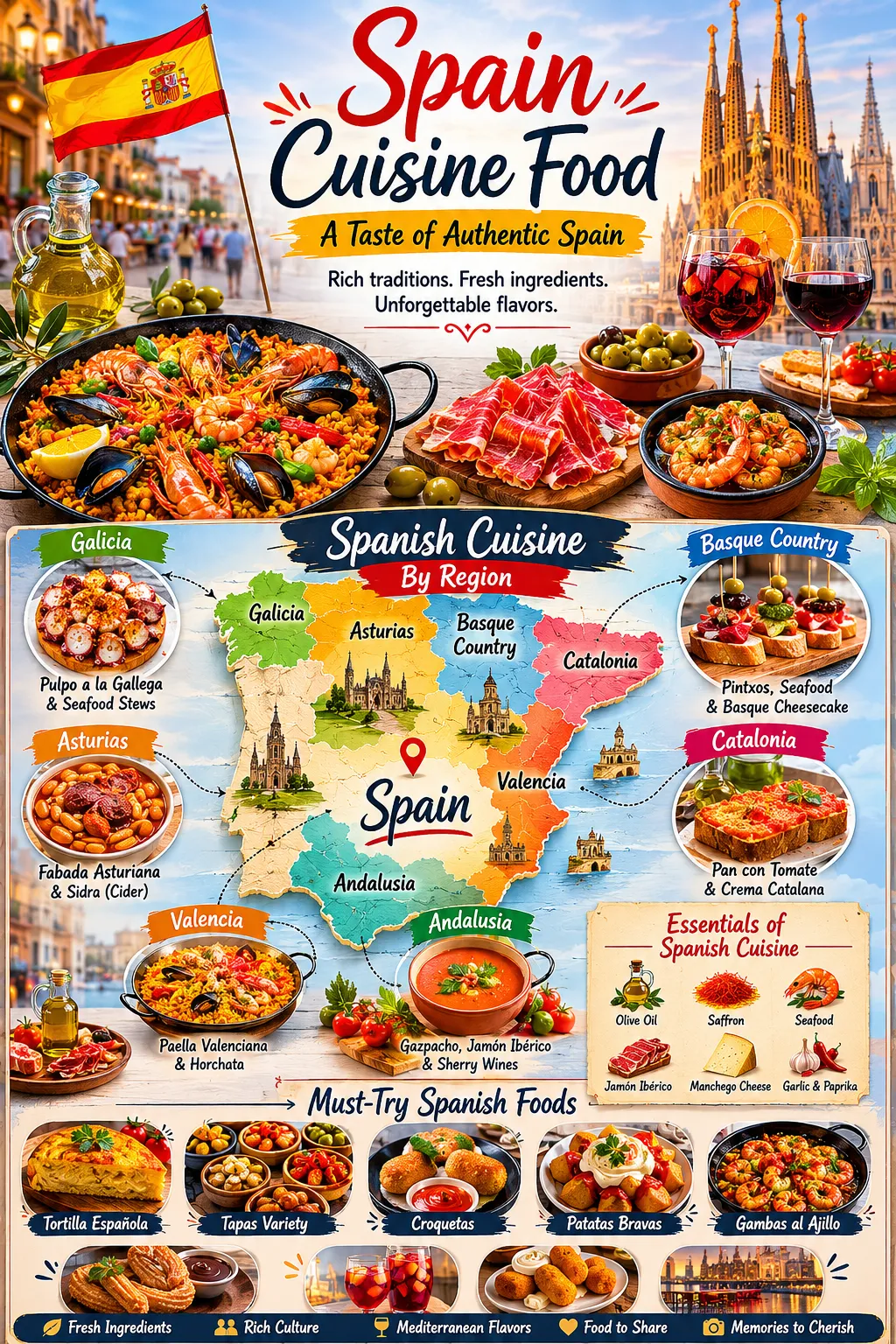
35 Traditional Foods in Spain You Must Try
1. Paella Valenciana
Paella is Spain’s most internationally famous dish.
Authentic Valencian paella traditionally includes:
- Rabbit
- Chicken
- Green beans
- Saffron rice
Seafood paella is popular near the coast, but Valencians consider the original meat version the true classic.
Insider Tip
Locals usually eat paella for lunch, not dinner.
2. Jamón Ibérico
Jamón Ibérico is Spain’s legendary cured ham made from Iberian pigs.
The finest version is:
- Jamón Ibérico de Bellota
- Acorn-fed
- Aged for years
It is sliced paper-thin and served simply.
3. Tortilla Española
Also called tortilla de patatas, this iconic Spanish omelet combines:
- Eggs
- Potatoes
- Olive oil
- Onion (depending on preference)
It is one of the most common everyday foods in Spain.
4. Gazpacho
Gazpacho is a cold tomato soup from Andalusia made with:
- Tomatoes
- Olive oil
- Garlic
- Peppers
- Cucumber
It is especially refreshing during hot Spanish summers.
5. Salmorejo
Salmorejo is a thicker version of gazpacho from Córdoba.
It is usually topped with:
- Jamón
- Hard-boiled egg
Many locals prefer it over gazpacho because of its creamy texture.
6. Croquetas
Croquetas are crispy fried rolls filled with creamy béchamel and ingredients such as:
- Ham
- Chicken
- Cod
- Mushrooms
They are one of Spain’s most popular tapas.
7. Patatas Bravas
Patatas bravas are crispy potatoes served with spicy sauce and aioli.
Every region has its own variation.
8. Pulpo a la Gallega
This Galician octopus dish is served with:
- Paprika
- Olive oil
- Sea salt
- Potatoes
It is one of northern Spain’s most iconic foods.
9. Fabada Asturiana
Fabada is a rich bean stew from Asturias made with:
- White beans
- Chorizo
- Pork
- Blood sausage
Perfect during winter.
10. Gambas al Ajillo
Garlic shrimp cooked in olive oil with chili peppers.
Served sizzling hot with bread.
11. Pimientos de Padrón
Small green peppers fried in olive oil.
Most are mild, but some are unexpectedly spicy.
12. Cocido Madrileño
Madrid’s traditional stew contains:
- Chickpeas
- Vegetables
- Meat
- Sausage
Usually served in multiple courses.
13. Churros con Chocolate
One of Spain’s most famous breakfasts and desserts.
Churros are dipped into thick hot chocolate.
14. Bacalao al Pil Pil
A Basque cod dish cooked in garlic olive oil sauce.
The sauce becomes naturally creamy through technique.
15. Calamares Fritos
Fried squid rings popular across coastal Spain and Madrid.
Many locals enjoy them as sandwiches.
16. Fideuà
Fideuà is similar to paella but made with noodles instead of rice.
It originated in Valencia.
17. Migas
A rustic shepherd’s dish made from:
- Fried breadcrumbs
- Garlic
- Olive oil
- Meat
Popular in rural Spain.
18. Rabo de Toro
Slow-cooked oxtail stew traditionally associated with Andalusia.
Rich, tender, and deeply flavorful.
19. Pisto Manchego
A vegetable dish similar to ratatouille made with:
- Tomatoes
- Zucchini
- Peppers
- Onion
20. Escalivada
A Catalan dish made from roasted vegetables with olive oil.
Usually served with bread.
21. Cachopo
A huge breaded meat dish from Asturias stuffed with:
- Ham
- Cheese
Ideal for sharing.
22. Callos a la Madrileña
Traditional tripe stew with chorizo and paprika
.
Very authentic and loved by locals.
23. Calçots
Charred Catalan spring onions dipped in romesco sauce.
Popular during winter festivals.
24. Menestra
Traditional vegetable stew common in Navarra and Rioja.
25. Albóndigas
Spanish meatballs served in tomato or almond sauce.
26. Boquerones
Fresh anchovies marinated in vinegar and olive oil.
27. Empanada Gallega
Savory Galician pie filled with tuna, seafood, or meat.
28. Arroz Negro
Black rice dish made with squid ink.
Popular in coastal regions.
29. Tarta de Santiago
Traditional almond cake from Galicia linked to the Camino de Santiago pilgrimage.
30. Crema Catalana
Catalonia’s version of crème brûlée.
31. Flan
Classic Spanish caramel custard dessert.
32. Torrijas
Spanish-style French toast commonly eaten during Easter.
33. Sobrasada
Spreadable cured sausage from Mallorca.
34. Morcilla
Spanish blood sausage served grilled or in stews.
35. Zarzuela de Mariscos
Traditional Catalan seafood stew loaded with shellfish and fish.
Traditional Spanish Food by Region
Spain’s regional cuisine is one of the country’s biggest culinary strengths.
Andalusia
Famous for:
- Gazpacho
- Salmorejo
- Fried fish
- Rabo de toro
Best food cities:
- Seville
- Córdoba
- Málaga
- Granada
Valencia
Known for:
- Paella
- Rice dishes
- Citrus fruits
Valencia is essential for authentic paella experiences.
Basque Country
Renowned for:
- Pintxos
- Seafood
- Michelin restaurants
- Cheesecake
Top destinations:
- San Sebastián
- Bilbao
Galicia
Known for:
- Octopus
- Shellfish
- Empanadas
Galicia has some of Europe’s best seafood.
Asturias
Popular dishes include:
- Fabada
- Cachopo
- Cider
Excellent for travelers seeking authentic mountain cuisine.
Catalonia
Famous for:
- Escalivada
- Crema Catalana
- Seafood dishes
Barcelona is only one part of Catalonia’s rich food culture.
What Spanish People Actually Eat Daily
Many tourists think Spaniards eat paella every day. In reality, locals commonly eat:
- Lentils
- Rice dishes
- Grilled fish
- Seasonal vegetables
- Bread with olive oil
- Homemade stews
- Tortilla
Home cooking remains very important in Spain.
Typical Daily Spanish Meals
| Meal | Common Foods |
| Breakfast | Coffee, toast, pastries |
| Lunch | Stews, fish, rice dishes |
| Dinner | Tapas, vegetables, grilled meats |
| Snacks | Ham, olives, cheese |
Best Cities in Spain for Food Lovers
San Sebastián
Best for:
- Pintxos
- Michelin dining
- Seafood
One of Europe’s top culinary destinations.
Madrid
Excellent for:
- Traditional taverns
- Regional food diversity
- Local markets
Barcelona
Known for:
- Catalan cuisine
- Seafood
- Creative gastronomy
Seville
Ideal for:
- Tapas culture
- Andalusian cuisine
- Traditional bars
Valencia
Best for:
- Authentic paella
- Rice dishes
- Mediterranean seafood
Hidden Food Gems Tourists Often Miss
Many travelers only try famous dishes and miss authentic local specialties.
Hidden Traditional Foods
- Potaje de garbanzos
- Huevos rotos
- Migas extremeñas
- Espinacas con garbanzos
- Caracoles
- Menudo
Where to Find Authentic Food
- Local markets
- Village festivals
- Family-run taverns
- Neighborhood restaurants
Smaller towns often provide more authentic food experiences than major tourist areas.
Spain vs Other European Food Destinations
espana vs Italy
| Spain | Italy |
| Tapas culture | Pasta culture |
| Shared dining | Individual plates |
| Seafood-heavy | Cheese-heavy |
| Late dinners | Earlier dinners |
Spain vs France
Spain is generally:
- More affordable
- More casual
- More social
- Better for tapas hopping
France focuses more on:
- Formal dining
- Sauces
- Structured meals
Best Time to Visit Spain for Food Lovers
Spring (March–May)
Best for:
- Seafood festivals
- Mild weather
- Outdoor dining
Summer (June–August)
Perfect for:
- Gazpacho
- Beach restaurants
- Seafood paella
But tourist areas become crowded.
Autumn (September–November)
Excellent for:
- Wine harvests
- Mushroom season
- Comfortable weather
Winter (December–February)
Great for:
- Stews
- Christmas sweets
- Fewer tourists
Budget Travel Guide for Food Lovers
Spain can be affordable compared to many European destinations.
Budget Food Tips
- Eat menú del día lunches
- Visit local markets
- Avoid tourist plazas
- Use tapas bars for dinner
- Travel by train
Average Daily Food Budget
| Traveler Type | Daily Budget |
| Budget | €15–30 |
| Mid-range | €40–70 |
| Luxury | €100+ |
Luxury Food Experiences in Spain
Spain is also a world-class luxury culinary destination.
Best Luxury Experiences
- Michelin-starred dining
- Wine tours in Rioja
- Olive oil tastings
- Luxury food tours
- Vineyard hotels
Top Luxury Food Destinations
- San Sebastián
- Barcelona
- Marbella
- Mallorca
- Madrid
Best Areas to Stay for Food Travelers
Madrid
Best neighborhoods:
- La Latina
- Chamberí
Barcelona
Top areas:
- El Born
- Eixample
Seville
Best district:
- Santa Cruz
San Sebastián
Ideal for luxury food experiences and pintxos bars.
Transport Tips for Food Travelers
Best Ways to Travel Around Spain
- AVE high-speed trains
- Regional trains
- Rental cars
- Domestic flights
Best Food Road Trips
- Andalusia tapas route
- Northern Spain seafood route
- Basque pintxos trail
- Catalonia wine route
Safety, Etiquette, and Dining Customs
Dining Etiquette
- Dinner starts late
- Sharing plates is common
- Tipping is modest
- Bread may cost extra
Safety Tips
Spain is generally safe, but travelers should watch for:
- Pickpockets
- Tourist scams
- Overpriced restaurants near attractions
Tips for Solo, Couple, and Family Travelers
Solo Travelers
Best cities:
- Madrid
- Valencia
- Seville
Tapas culture makes solo dining easy.
Couples
Most romantic food destinations:
- Granada
- San Sebastián
- Mallorca
Families
Best family-friendly regions:
- Costa del Sol
- Valencia
- Northern Spain
Common Tourist Mistakes to Avoid
1. Eating Too Early
Many kitchens do not open before 8 PM.
2. Ordering Paella at Night
Locals usually eat paella at lunch.
3. Eating Near Tourist Attractions
Walk a few streets away for better quality and prices.
4. Assuming Sangria Is a Daily Local Drink
Many Spaniards prefer:
- Wine
- Beer
- Tinto de verano
Insider Tips Most Tourists Never Learn
Local Insider Advice
- Daily lunch menus offer incredible value
- Village restaurants often serve the best traditional food
- Regional specialties matter more than famous tourist dishes
- Local food markets reveal authentic culture
- Sundays are ideal for long family lunches
Future Food Travel Trends in Spain (2026)
Spain’s culinary tourism continues growing rapidly.
Rising Travel Trends
- Farm-to-table dining
- Sustainable restaurants
- Culinary villages
- Slow food tourism
- Wine tourism
- Cooking classes
Travelers increasingly seek authentic local experiences instead of tourist-focused restaurants.
FAQs About Traditional Spanish Food
What is the most traditional food in Spain?
Paella, tortilla española, and jamón ibérico are among Spain’s most traditional dishes.
What food is Spain famous for?
Spain is famous for tapas, paella, seafood, olive oil, cured ham, and Mediterranean cuisine.
What do Spanish people eat every day?
Daily meals often include bread, olive oil, vegetables, fish, legumes, rice dishes, and tortilla.
Is Spanish food spicy?
Traditional Spanish food is flavorful but generally not spicy.
What is Spain’s national dish?
Paella Valenciana is commonly considered Spain’s national dish.
What is the difference between tapas and pintxos?
Tapas are small shared plates, while pintxos are Basque snacks usually served on bread with skewers.
Is food expensive in Spain?
Spain is generally more affordable than many Western European countries.
Final Thoughts
Traditional Spanish food is much more than paella and tapas. Every region of Spain
offers unique flavors, ingredients, recipes, and centuries-old culinary traditions.
Whether you are exploring seafood in Galicia, tapas bars in Seville, rice dishes in Valencia, or pintxos in San Sebastián, food is one of the best ways to understand Spanish culture.
To experience Spain like a local:
- Eat slowly
- Share meals
- Explore regional dishes
- Visit local markets
- Avoid tourist traps
- Follow local dining customs
Spain remains one of Europe’s greatest destinations for travelers who love authentic food, culture, and unforgettable culinary experiences.
For more Spain travel guides, hidden gems, itineraries, and food experiences, explore more articles on VisitEspanly.com.